-
Yajaira Rodríguez
- No Comments
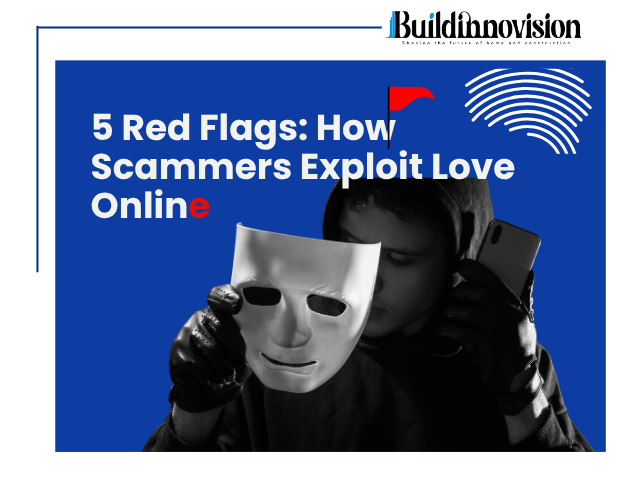
Online dating can be exciting, but it also opens the door to people with dishonest or manipulative intentions. Scammers often exploit emotions to build trust and gain control. Recognizing the warning signs early can protect you from heartbreak and financial loss. Here are 5 red flags to watch out for: Moving Too Fast Emotionally One of the most common tactics scammers use is rushing the relationship. They may declare love or strong affection very quickly—a technique often called “love bombing.” What to watch for: Sudden declarations of love or deep emotional attachment Pressure to move the relationship forward quickly Why it matters:Scammers aim to gain trust and emotional attachment before you have time to evaluate their honesty. This can make you less cautious and more vulnerable to manipulation. Sharing Elaborate but Vague Personal Stories Scammers often craft dramatic or impressive stories about their life, career, or travels. Red flags include: Stories that are difficult to verify Inconsistencies over time Overly dramatic or emotional narratives Purpose:These tales are designed to gain sympathy or admiration, making you feel connected even though the details may not be true. Frequent Job Changes: A Common Tactic to Distract and Deceive Scammers often claim new jobs or careers frequently, sometimes in different cities or countries. This makes their story hard to verify and keeps you off-balance. Key points to notice: They switch locations, companies, or titles often Inconsistencies make it difficult to confirm their background Keeps you emotionally invested and easier to manipulate Why it matters:Frequent job changes can be a sign of dishonesty or a lack of stability, which may extend to other areas of their life, including financial or emotional commitments. Asking for Money, Favors, or Sensitive Information Once they’ve built some trust, scammers often ask for financial help or personal information. Typical requests include: Money for emergencies, travel, or medical expenses Gift cards, banking details, or personal documents Red flag:This is a classic sign of financial exploitation. Never send money or sensitive information to someone you’ve only met online. Avoiding Family Responsibilities Some scammers claim they have family or children, but they avoid taking real responsibility. Warning signs: Using stories about kids or family to gain sympathy Not following through on commitments Lack of personal accountability Why it matters:A person unwilling to take responsibility for their family is often unreliable or deceptive in other areas, including your relationship. Alert: Always verify stories about family obligations before trusting or investing emotionally. Online dating can be rewarding, but staying aware of these red flags can protect you from scammers. Remember: trust is earned, not rushed, and consistent behavior, transparency, and accountability are key to a healthy relationship.